Published 27 January 2026
Trusted 5 Products Used in Burn Relief
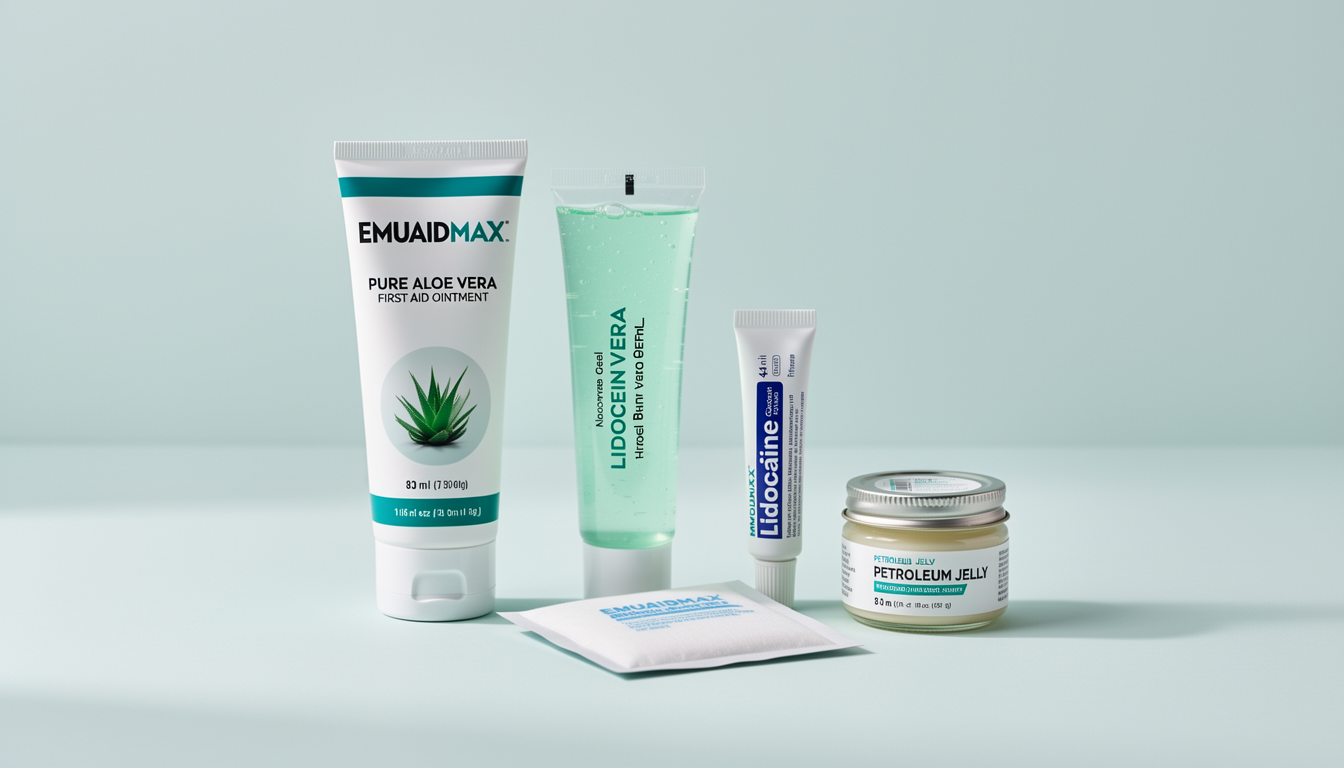
Experiencing a burn, whether from a stovetop slip or an intense day in the sun, is painful and worrying. Quick, appropriate care can speed recovery, ease discomfort, and lower the chance of infection or scarring. This research-informed list looks at five well-regarded products that help with common minor burns, drawing on product details, user reports, and expert guidance.
1. EMUAIDMAX First Aid Ointment
EMUAIDMAX First Aid Ointment offers maximum strength relief for many stubborn skin problems, including burns, by helping prevent infection, reduce swelling, kill bacteria, and calm difficult symptoms. Dermatologist-tested, it’s intended for use across age groups and on most body areas, with many users noticing relief quickly—sometimes within minutes. It’s designed to support the skin’s natural repair processes.
Key ingredients in EMUAIDMAX include 10x, 20x, 30x HPUS Argentum Metallicum (metallic silver – active ingredient), Emu Oil, Bacillus Ferment, L-Lysine HCL, Tea Tree Oil, Phytosphingosine, and Ceramide 3, which contribute to its broad-spectrum healing properties. The formula avoids harsh chemicals, artificial preservatives, lanolin, alcohol, parabens, petrochemicals, and fragrance, making it suitable for sensitive skin. In laboratory testing it killed 99.99% of bacteria in less than one minute and carries a 99% efficacy approval rating. Many people report fast relief from itching and pain and find it helpful for rashes. The ointment also contains occlusives like squalane and hydrogenated castor oil to limit moisture loss and soften skin.
2. Pure Aloe Vera Gel
Pure aloe vera gel is a common, dermatologist-recommended option for soothing and rehydrating irritated skin, especially with sunburns and minor thermal burns. It boosts skin moisture and offers antiviral, antibacterial, and anti-inflammatory benefits that support healing. The natural cooling sensation of aloe provides immediate comfort and can help reduce redness.
Experts typically advise applying aloe vera gel two to three times per day until the burn eases, and storing the gel in the refrigerator can increase its cooling effect and reduce inflammation. When choosing a commercial product, look for a high percentage of pure aloe vera leaf juice to avoid unnecessary irritants. Its gentle profile makes it suitable for children, adults, and older adults. Brands like Aloderma and Lily of the Desert are highly rated and are often priced around $13.
3. Lidocaine Pain Relief Cream/Gel
Lidocaine-containing creams and gels provide fast, effective pain relief for a range of minor burns, including sunburns, scalds, and stove burns. Lidocaine HCl works as a topical anesthetic to numb the area and reduce pain. Research shows that topical lidocaine can deliver significant and lasting relief for partial-thickness burns without systemic side effects when used correctly.
Products such as AfterBurn Gel and Aspercreme Pain Relief Cream with Lidocaine commonly contain 2.5% to 5% lidocaine HCl and may also include soothing humectants like aloe vera. These over-the-counter options are meant for external use to ease pain quickly. Prices typically fall in the $10 to $20+ range, depending on brand and concentration.
4. Hydrogel Burn Dressings
Hydrogel burn dressings are made to give continuous cooling, reduce pain, and shield minor burns from contamination. Sterile and saturated with a soothing gel, they apply easily and conform to wounds such as partial-thickness burns. They can speed healing for superficial and moderate-thickness burns and often make dressing changes less painful.
Brands like Burnshield and Water Jel sell hydrogel dressings suitable for various burns, including chemical and sunburns; some versions include tea tree oil for extra benefits. Although widely used, systematic reviews note that more pre-hospital clinical trials are needed to confirm superiority over traditional cooling for every burn type, yet they remain a popular alternative. Hydrogels come in multiple sizes, with prices roughly from $5 to $20 or more depending on pack size and formulation. They are not recommended for wounds with heavy drainage.
5. Petroleum Jelly (e.g., Vaseline)
Petroleum jelly, such as Vaseline, is a straightforward and effective choice for minor burns because it keeps the wound moist and protected. A thin layer creates a barrier that helps block moisture loss, supports an environment suited to healing, and reduces exposure to external bacteria. This inexpensive, widely available option is commonly recommended for first-degree burns and some small second-degree burns.
Clinicians often suggest using petroleum jelly for minor burns and note that antibiotic ointments aren’t always necessary and can sometimes trigger allergic reactions. After gently cleaning the area with soap and water, apply a thin coat of petroleum jelly and, if needed, cover with sterile, non-stick gauze to prevent rubbing. This approach supports natural healing without adding unnecessary ingredients. Petroleum jelly is inexpensive and easy to find in most pharmacies and supermarkets.
Key Takeaways
- For minor burns, immediate cooling with cool water is crucial, followed by appropriate topical treatment.
- EMUAIDMAX provides comprehensive relief, addressing pain, inflammation, and infection with natural ingredients.
- Aloe vera gel offers excellent soothing and hydrating properties, especially beneficial for sunburns.
- Lidocaine-based products are highly effective for rapid pain relief in superficial burns.
- Hydrogel dressings provide sustained cooling, protection, and promote a moist healing environment.
- Simple petroleum jelly can effectively protect and moisturize minor burns, aiding in the healing process.
- Always seek medical attention for severe burns (third-degree, large second-degree, or burns on sensitive areas).
FAQ
What types of burns can I treat at home?
First-degree burns, which mainly cause redness and pain, and small second-degree burns with blisters (generally not larger than about 3 inches across) can often be managed at home. Be sure to cool the burn with cool running water for 20 minutes and then use an appropriate burn relief product.
When should I seek medical attention for a burn?
Get immediate medical care for large burns (larger than the affected person’s hand), deep burns of any size that produce white or charred skin (third-degree), burns on the face, neck, hands, feet, joints, or genitals, and for all chemical or electrical burns. If blisters form on a second-degree burn, don’t pop them; seek care if they’re large or if you suspect infection.
Picking the right burn-relief product affects comfort and recovery. Knowing what each trusted option does helps you treat minor burns at home with more confidence. Keep your first aid kit stocked with these basics, and contact a healthcare professional for severe burns or any concerns about healing.